

Risks, Benefits and Strategy: Changing Weight Classes in MMA
Changing Weight Classes in MMA: The Real Performance Impact
On paper, a change of weight class is a matter of adding or subtracting ten pounds. In reality it rewrites how a fighter’s cardio, muscles and brain function under pressure. It is a choice that has an immediate bearing on everything from grappling leverage to the size of one’s gas tank and chin. To view it as a cosmetic adjustment is a sure way to see a career come to a standstill.
01. The Lure of Moving Up and the Hard Water Cut
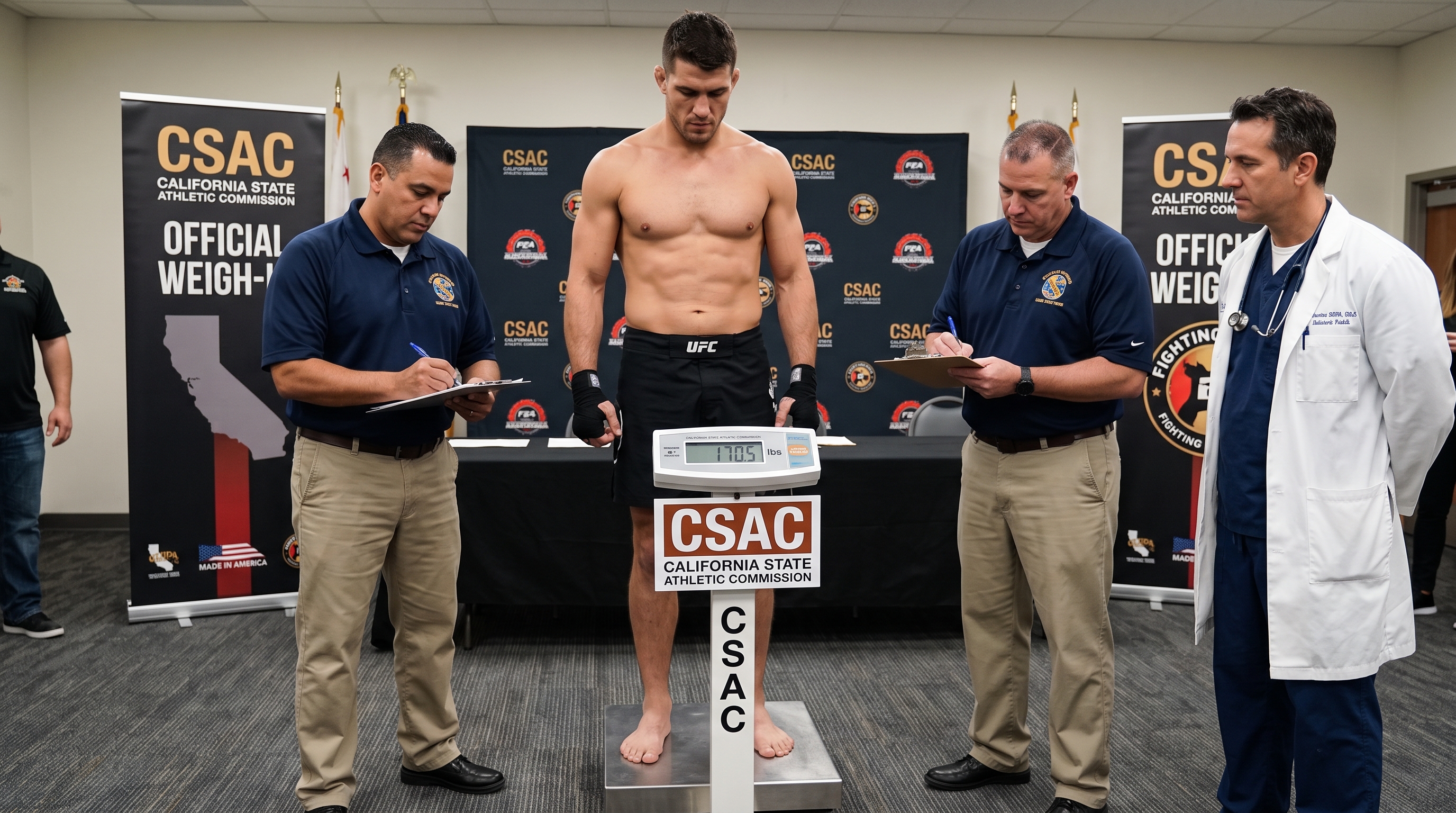
There is a trap in the severe weight cut. When a fighter drops five to eight per cent of his mass in the days leading to weigh-in, he is not just seeing the scale go down. As sports scientists have documented, the body is forced into super-dehydration; sodium regulation gives way and the kidneys are put to the test by the byproducts of muscle breakdown. And what the casual observer does not realise is that the 24 to 36 hours before fight night is not enough time for the body to fully recover from that state.
Those who opt to move up a division tend to be closer to their natural walk-around weight. You get more than just strength. Because there is less stress from dehydration, the muscles hold onto the glycogen and fluid required to keep the legs fresh and reactions sharp in the championship rounds, instead of the third round fade one sees from a man running on fumes after a hard cut.
But it is a two-way street. A fighter may be done with the physical toll of the cut, but in doing so he has surrendered the reach or size edge it once provided against smaller men. One form of vulnerability is simply being replaced by another.
02. Frame Versus Fuel
Ten pounds only counts if it is functional. Soft weight will slow your footwork and cost you oxygen for no return in power, whereas structural muscle makes a difference in how you handle clinch pressure.
Once you are in the range of a taller, longer-limbed opponent, skeletal leverage is what matters. A shorter man moving up will find his striking options curtailed by the other guy’s jab or teep, and must rely on underhooks and foot-outside control in the clinch.
FIGHTER TAKEAWAY: You cannot put on real fight-ready weight in a week. It takes four to six months of proper nutrition and strength work. Put a fighter up a division on short notice without the structure and he is nothing but an undersized target.
The energy demands are different too. An explosive striker at a lower weight has to recalibrate his pace against someone who wants to impose top pressure and engage in the isometric grind of grappling.
03. The Fragile Chin and the Myth of Moving Down
It is a common misconception in the sport that dropping a division is the best way to get a size advantage. In fact, cutting deeper can leave the brain exposed.
WATCH OUT: Severe cuts deplete the fluid that protects the brain and make a knockout more likely from even a modest strike.
In a normal state the brain is buoyed by cerebrospinal fluid which acts as a shock absorber against the skull. But lose that fluid and the cushion is gone. A joint effort between St Mary’s, the University of Essex and Swansea University has shown that after a weight cut, MMA athletes report concussion symptoms some 40 per cent more severely than their counterparts in other sports. Researchers at the University of Essex have pointed to the overlap between the signs of a concussion and those of dehydration as the reason for the gap. Take TJ Dillashaw for a case in point. In 2019 he was left badly depleted making the flyweight title cut to face Henry Cejudo, and it showed when he was put away after only 32 seconds of action.
Then there is the matter of recovery. For a fighter who has resorted to extreme dehydration to eke out the weight on the scale, the danger is compounded by the time the cage door is shut. He may still be trying to rehydrate as the first round gets underway, already short on fluid and glycogen before he has taken a hit.
04. The Double Champ Blueprint and How Elite Fighters Navigate Divisions
Those who make the move between divisions with any success do not do it in a panic; they view it as a project with structure. You see this pattern in the history of UFC two-division champions such as Georges St-Pierre, Daniel Cormier, Jon Jones, Henry Cejudo and Amanda Nunes. They have engineered their dual-division success with an eye on timing, either putting on functional mass or trimming down well in advance of a shot at a belt, rather than taking a short-notice fight that puts them outside their comfort zone.
It is not a question of simply adding muscle. A fighter moving up must make real strategic adjustments to accommodate a bigger frame in the clinch, a longer jab and a deeper double-leg. These are things you have to plan for long before fight week, they cannot be cobbled together in the final camp.
For coaches and fighters considering a change of division, it should be approached as a structural project spanning several months. To rush the process in order to escape a poor cut or put a title within reach is to invite the very result one is hoping to sidestep: a dehydrated chin giving way to a punch that would not have been clean at full hydration, or a smaller frame being physically overpowered.
Changing Weight Classes in MMA Comes Down to Timing
There is no shortcut in either direction in MMA. Moving up means you give up your size edge to avoid the hard cut; moving down gives you the size but leaves you with a fragile, dehydrated chin. It only works if the transition is something you have built over months and not one forced upon you by a late notice. The ones who do it right consider the timeline, the fuel and the frame as a single decision, not some figure on the scale.
FAQ
Is it better to move up or down?
The answer hinges on what has caused a fighter’s recent losses. If it is being over-cut, moving up will spare the chin and improve cardio by doing away with the need for severe dehydration. But if the issue is being physically outsized, then the size advantage of moving down is worth the risk of higher knockout vulnerability and energy drain.
Why does a fighter seem to have more life after moving up a division?
When you are fighting near your natural walk-around weight, the brain and muscles are better hydrated. That allows for quicker neural reactions and superior fluid absorption, so the output is steady for five rounds instead of the hard fade that comes when the effects of the cut set in.
What is the proper timetable for transitioning to a heavier class?
Four to six months is about right for the kind of lean mass and strength development needed. This gives the added weight purpose in terms of power and leverage, as opposed to just becoming non-functional bulk.
Does a lighter cut mean a stronger chin?
In a sense, yes. Severe dehydration takes away the cerebrospinal fluid that acts as a buffer for the brain. By staying closer to a fully hydrated state a fighter is generally more resistant to being put out, provided his technique and genetics hold up.
- A move up in the ranks costs a fighter his former size but buys him better late-round cardio and less chin vulnerability.
- Dropping a division to gain an edge can be costly, as it risks the kind of dehydration that thins the protective layer around the brain and makes even a light strike dangerous.
- You cannot put on functional mass overnight. Without four to six months of work, a hasty division jump will leave a fighter slower and undersized.
- Look at the likes of Jon Jones or Amanda Nunes and you will see their transitions were a matter of timing and reach, not just raw weight.
- Do not let the number on the scale be the only factor in changing divisions; it is a decision of frame, fuel and timing all in one.

Author’s Note
Enjoyed this breakdown? Hit the subscribe button to get our latest documentary drops and fight camp analysis sent straight to your inbox before they go public.
Support Independent MediaAPEX STRIKE GEAR
Official Training & Equipment Partner of EOF. Elite gear for elite performance.
Explore Gear →